
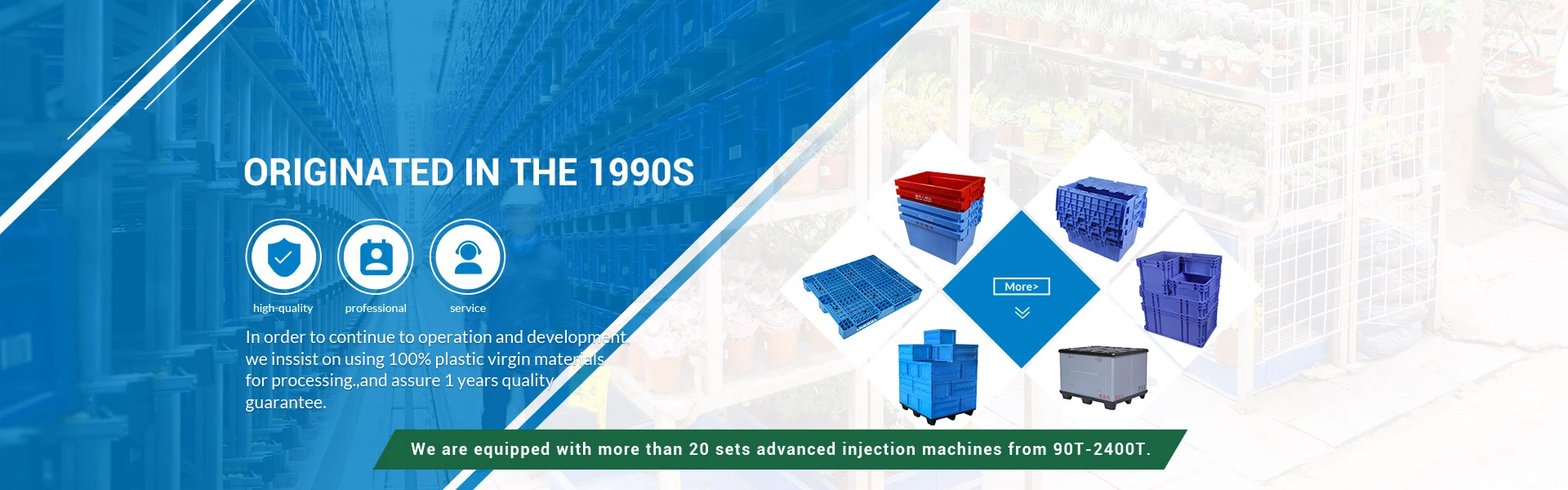



Plastic bins have become indispensable tools in the logistics and storage operations of the food industry, particularly in warehouses where efficiency, cleanliness, and product safety are paramount.
Plastic bins offer several key advantages that make them the preferred choice for handling a variety of food products, including perishable and non-perishable items:
Hygiene and Cleanliness: Plastic bins are easy to clean and sanitize, crucial for maintaining strict hygiene standards in food storage environments. They resist stains, odors, and contaminants better than alternative materials like cardboard or wood, reducing the risk of cross-contamination.
Durability and Longevity: Designed to withstand heavy loads and frequent handling, plastic bins are durable and resistant to impacts and abrasions. This durability ensures that they maintain their structural integrity over time, minimizing the risk of damage to stored food products.
Versatility: Plastic bins come in various sizes, shapes, and configurations, allowing warehouses to efficiently utilize space and organize inventory. They can be stackable, nestable, or equipped with lids and dividers, adapting to different storage needs and maximizing storage capacity.
Temperature Resistance: Many plastic bins are designed to withstand a wide range of temperatures, making them suitable for storing both chilled and ambient temperature foods. This versatility is essential for maintaining the quality and safety of temperature-sensitive products.
Cost-effectiveness: While initial costs may vary depending on size and features, plastic bins offer long-term cost savings due to their durability and reusability. They reduce the need for frequent replacements and repairs compared to other packaging materials.
In practical terms, food industry warehouses utilize plastic bins for various functions:
Storage and Organization: Plastic bins are used to store bulk quantities of raw ingredients, packaged goods, and finished products in an organized manner. Their stackability and uniform dimensions facilitate efficient use of warehouse space.
Transportation and Handling: Plastic bins are ideal for transporting food items within warehouses and to distribution points. Their ergonomic design and handles allow for easy lifting and moving, enhancing operational efficiency.
Inventory Management: By using plastic bins that are compatible with tracking systems such as barcodes or RFID tags, warehouses can streamline inventory management processes. This improves traceability and reduces errors in stock handling.
Compliance with Food Safety Standards: Plastic bins designed for food applications often meet stringent regulatory requirements for food safety and hygiene. They are typically made from food-grade materials that are non-toxic and resistant to bacterial growth.
Overall, the widespread adoption of plastic bins in food industry warehouses underscores their role in ensuring efficient, safe, and hygienic handling of food products throughout the supply chain. As technology and sustainability practices evolve, the industry continues to innovate towards more responsible packaging solutions while maintaining operational effectiveness.


